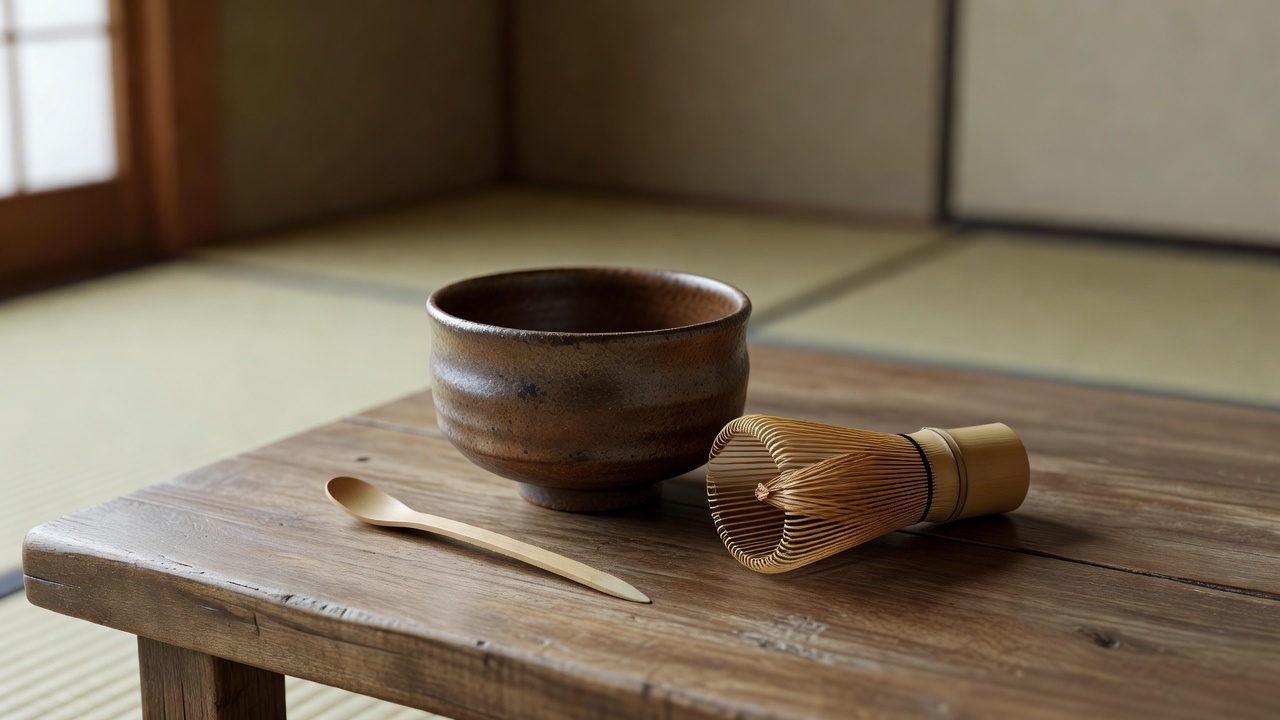
A visitor may encounter tea in a lesson, public demonstration, cultural venue or private gathering. These are different situations. An introductory presentation might explain every action aloud; an established group may communicate much more through familiar conventions. Before worrying about etiquette, find out what kind of event you are attending and how newcomers will be supported.
Two useful terms are chakai, often used for a tea meeting, and chaji, a more comprehensive formal gathering that can include a meal and both thick and thin tea. These are orientation points, not guarantees of a particular duration or program. Read the invitation and ask the organizer. Do not assume that an advertised “tea ceremony” includes every element described in books.
Before you arrive
Ask about clothing, footwear, seating, access and the expected length of the visit. Clean clothing that permits comfortable movement is usually a more useful concern than acquiring a kimono. Avoid strong fragrance because scent can interfere with the experience of the room, food and tea. Ask whether watches, rings or other accessories should be removed to protect utensils.
Tell the organizer about mobility requirements and food allergies early. Sweets and meals may contain ingredients you cannot identify by sight. Matcha contains caffeine; if that matters for your health, seek appropriate medical advice and tell the host what you can comfortably accept. Accessibility and dietary needs are practical matters of hospitality, not failures of commitment.
Arrival makes room for attention
At some gatherings, guests pass through a waiting space and a garden approach before entering the tea room. A stone basin may be part of that preparation. These features are not present in every venue, and their use should be explained by the host. Follow the route offered rather than performing something remembered from a video.
Once inside, guests may acknowledge or view the alcove and other selected objects. A scroll can establish a theme; flowers can give a seasonal presence without representing a coded message to be solved. Look before reaching for a camera. Ask permission for photography, and accept that a host may prefer the encounter to remain unrecorded.
Preparation has a visible structure
Objects are readied
The host arranges and handles utensils within a learned procedure.
Tea is prepared
Water and matcha are brought together for the particular preparation being offered.
Guests receive
Receiving, drinking and returning the bowl complete an exchange, rather than a performance watched from outside.
The term temae refers to procedures for preparing tea. There are many, shaped by equipment, season, level of study and lineage. The measured actions are not evidence that the host is moving slowly for its own sake. Placing a ladle or folding a cloth has a place within the procedure, learned through repeated practice.
Usucha, thin tea, is generally prepared with more water relative to the tea than koicha, thick tea. The latter has a markedly different texture and method of mixing. Do not assess either by the size of a foam cap. Nor should you assume that a bowl will be shared: arrangements depend on the format, host and current hygiene practices.
Receiving without pretending to know
The host or an experienced guest can guide you about when to eat a sweet, how to receive the bowl and where to place it afterward. Some instructions involve orientation or turning. Rather than memorize a universal number of turns, watch the demonstration and ask for help. The relevant procedure belongs to this gathering.
Conversation has a place, but timing matters. Questions about a bowl, the tea or the scroll may be welcomed at particular moments. Avoid interrupting a delicate action with a long discussion. If you cannot sit comfortably, say so before discomfort becomes severe. There is no educational benefit in concealing pain to imitate an idealized image of stillness.
Appreciation of utensils, sometimes described as haiken, is also guided. An invitation to look closely is not permission to lift every object. Keep items low and secure, avoid touching delicate surfaces unnecessarily, and let the host explain what may be handled. Sincere attention is more valuable than rehearsed expertise.
The end belongs to the gathering too
Thank the host and those who helped you. If you wish to learn more, ask where introductory lessons are available rather than requesting that a single visit explain an entire tradition. A short note afterward can name something you genuinely noticed: the warmth of the bowl, the sound of the kettle or the clarity of the welcome.
A useful reflection is to separate observation from interpretation. “The host paused before lifting the bowl” is an observation; “the pause symbolizes a particular belief” is an interpretation requiring evidence. This distinction lets curiosity remain open and makes your next conversation with a teacher more precise.
Reading and preparation
- Urasenke and Omotesenke: consult their own accounts rather than combining school-specific instructions.
- Sen Sōshitsu XV, Tea Life, Tea Mind, Weatherhill, 1979: reflections on the practice and its human relationships.
- Your invitation and the organizer’s access information are the primary sources for the event you will actually attend.